


Latest Articles
Technology and Email Marketing with SendInBlue Review

Email marketing is and will remain the most relevant tool in the digital marketing mix. Not only does email marketing deliver the highest return on investment (ROI) of all digital marketing instruments but also scores with the critical success factors. They include personalization, measurability, automatability, and context-sensitivity. Sis only possible through advanced technology.
As a one-to-one instrument, it allows messages to be personalized down to the individual user level. Every factor in email marketing can be individualized:
Time and frequency: How often does the user want to be addressed? At what times is the most likely to respond to the address?
Texts: long or short? Formal or casual address? Reference to interests or previous contacts?
Graphics: What kind of images does the user react to? Many or few pictures?
The product offers: Which brands do users prefer? Are there suitable cross-sells for past purchases? Which products match the hobbies, interests, and attitudes of the user?
Prices: How much is the user willing to pay for a particular product? Is he more price-sensitive and looks for special offers?
…
Email marketing scores with dynamic content, especially when it comes to personalizing product offers. With the right technologies, it is possible to play out content only when (trigger-controlled) dispatch or even at the moment of opening for the individual user in the email. However, what is often forgotten is that the more precisely email marketing content is to be personalized, the more content fragments are necessary. Here, personalization often comes up against a bottleneck.
Consistent measurability of all reactions
Like hardly any other digital marketing instrument, email marketing makes it possible to measure every user’s reaction and (assuming the necessary opt-in) to assign it to the individual user to create detailed user profiles. Many KPIs are available for this, from openings to clicks, reading time, and redirects to conversions and all forms of post-click actions in the shop or on the website. However, the challenge is not only to look at individual KPIs to evaluate the success of measures but also to use KPIs for targeted optimization. It is essential to develop an understanding of the entire chain of effects from dispatch to the “target KPI” (i.e., sales) and ideally even beyond the email channel (interactions with other media).
Automated response to triggers
Email marketing follows less and less the firmly scheduled sending of a rigid editorial/campaign plan. Instead, email marketing is increasingly controlled by motivations and contexts. It’s about delivering the right content at the right moment. To manage emails according to triggers, the technology used automatically must independently carry out the proper communication – in terms of content, channel and time – and dynamically control the subsequent course of the dialog according to the user’s reaction. Here, after the relevant triggers have been identified, rules for triggered communication must first be created, for example:
If a user leaves their shopping cart, wait a day
Check if the purchase was still completed
If not, check the customer’s sales
If last year’s turnover was over 200 dollars, send a reminder email with a discount. If not, without a discount
Wait a day
Check if the purchase has been completed
If not, send a reminder email with an urgency subject
Modern marketing automation solutions can create such dynamic sequences of communication (dialog sections) quickly in a graphical interface using drag & drop. Even the most complex dialogue routes can be mapped and controlled individually for each customer without human intervention using marketing automation. Triggers and dialog sections must be created once in the system and then run autonomously. Business intelligence mechanisms support decision-making and optimization.
Usage contexts are becoming more and more relevant.
In addition to “classic” triggers such as purchases, abandoned shopping carts, inactivity, registrations, or birthdays, contexts of use are also becoming increasingly important. For example, this includes the location, the weather, the time of day, the device used, or interactions in other digital channels. These can also be used as triggers. For example, the location context can motivate users who walk past a store to visit the store with a relevant email. Or users can be warned about this shortly before an approaching storm (“Today I prefer to shop from the couch”). Speed, activity, and the right context are often more effective than extensive personalization.
We’ve run out of space here to do a review, but you can find an excellent SendInBlue Review on ThirdPartyModules.
Finding a Good Electrician

People often use electronic devices, so it is not surprising that many people take it for granted. For equipment to work properly, they must rely on electricity. Unless you have a background in electrical work, never repair bare wires or damaged electronic equipment. You need the help of an experienced electrician to avoid the risk of electric shock. When choosing an experienced and skilled electrician, you need to consider the following tips.
Why do you need an electrician?
Open wires can cause electric shock or fire. This is why it is important to find an experienced electrician. Professional electricians have received years of training in hazardous electrical connections. They also have extensive experience to ensure that only the safest changes and upgrades to electrical settings are made.
List the problems to be solved.
Before hiring an electrician, please list all things in the house that need to be repaired. Walk around, paying attention to damaged sockets, sockets, lights, appliances, fuse boxes and wiring. After writing down all the contents, determine the most important part that requires an electrician’s immediate attention.
Ask around and use the internet
Ask your friends, family and colleagues to recommend a commercial electrician. If you are not satisfied with their suggestions, please continue to search using search engines such as Yahoo and Google. Only check legal online lists, because many websites can take you to make money. You will find thousands of results online, so be careful before choosing. Talk to the contractor because they usually hire electricians regularly.
Start calling a potential electrician.
List three to five electricians and call them one by one. Ask about their services and quotations so that you can estimate how much you might spend. Make sure that these electric tools are licensed and allowed to engage in their profession. Check their background, as it will tell you the experience of the electrician. Don’t forget to ask about their majors or whether they still perform other tasks related to electricity.
Pay attention to insurance.
Many people forget that all electricians must purchase liability insurance in case you have a house accident during work. Ask the electrician for insurance documents to ensure. Don’t forget to write down the date, because liability insurance will expire after a few years.
Geographic location
If possible, find an electrician who resides near your home. Compared to electricians living near the state, electricians located near your area can quickly respond to family emergencies. The rates of local electricians are also lower, which can save you money.
Equipment
The last thing you must look at before hiring an electrician to work is equipment. Does the electrician carry the complete tools needed to complete various electrical jobs? Do electricians have the latest electrical equipment needed to provide high-quality and reliable services? Although you may not know all the electrical equipment, it is a wise choice to ask your electrician if the equipment is available to complete the job. This can avoid further trouble or work delays due to incomplete materials.
Specific services
Identify the type of electrician you require based on the type of work you need to do at home. Remember, not all electrical workers can do all sorts of work. Some electricians specialize in commercial real estate, residential projects or new construction projects. If your problem involves circuit board repair, electrical system, cable or satellite device rewiring, it is best to choose an electrician master or skilled worker. If you know that your job demands top-level experience on-site, please do not hire apprentices.
Good reference
Through recommendation and review, you will understand whether the electrician has a good history or a good career experience. Ask friends or colleagues for reference. They may have hired excellent electricians (like Sacramento electrician) before, and it is best to recommend. Also, you can look at online services and find electricians. Choosing the electricians with a comfortable background will offer you quality service.
Other things to consider
Many people mistakenly chose the lowest rate of the electrician. If you want to get quality electrical repair and maintenance services, it will be a big mistake. The key is to find affordable electrician prices and at the same time, get decent services. Experienced electricians will not only quote you. They will let you see the list of materials to be used.
If you know where to find an experienced commercial electrician, you can solve your wiring problems. Pay attention to the tips discussed here in this article, and you will definitely find a reliable electrician.
How to Buy the Best Car Speakers
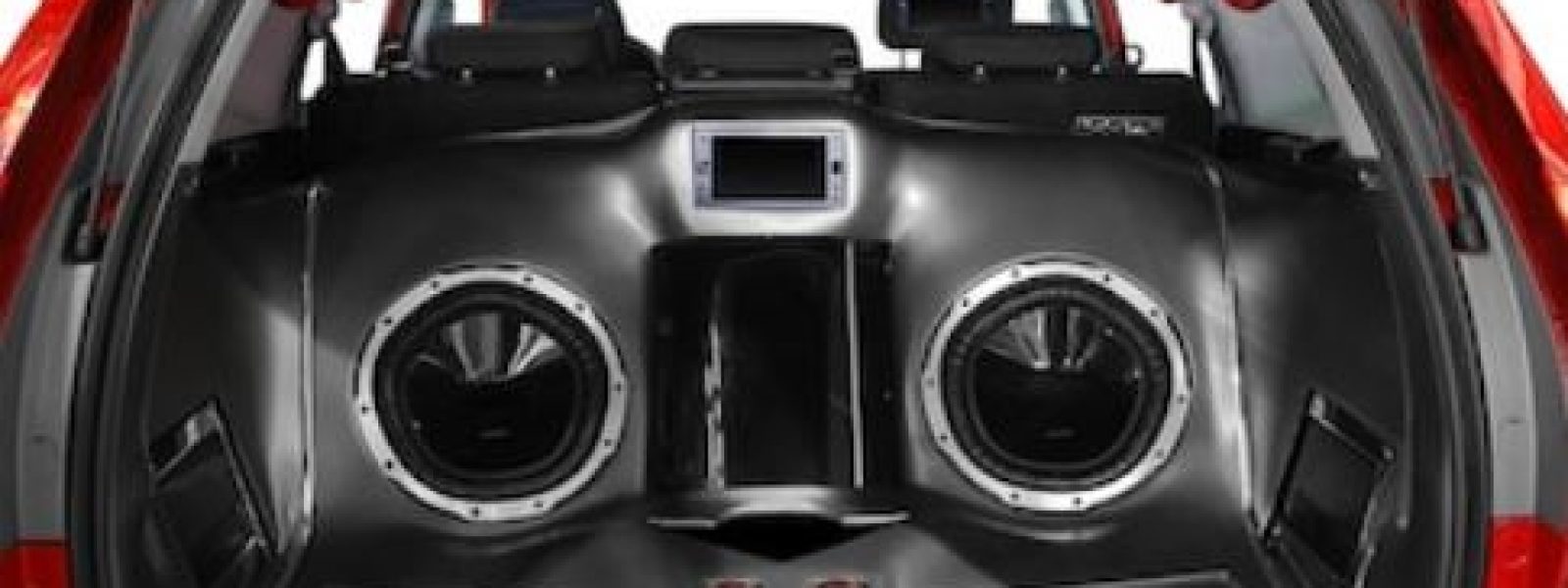
If you’re looking to get a great car audio system for your car, there are many things to consider. Car stereo systems come with many different features from the quality of the sound to the different audio formats it supports. Along with the various features, you have to consider your budget. This article provides essential tips on how to choose the right one when you’re buying car speakers.
Specs/Performance
The best subwoofer brands can be determined through the specs and performance of the a certain product. To assess the performance, evaluate the capability of the subwoofers to produce power. You can measure this power in many methods including, frequency response, the dynamic peak power and RMS continuous power. The dynamic peak power is determined as the maximum watts the woofer can handle for a short period. The RMS continuous power is the maximum amount watts a sub can hold for prolonged time. And the frequency response is the speed of the sub to respond to the input signals. The Sound Pressure Level, along with the first 3 factors, measures the sub-woofer’s efficiency and capability of converting the input wattage into a quality sound.
Compatibility
Best subwoofers should be compatible to use in any gadgets or any other devices. Make sure you have purchased a speaker which is not only usable for iPhones and all apple gadgets but, won’t play to other devices such as your PC, car system, TV and even to your bigger sound systems.
Positive Reviews
Review sites will help you discover the best subwoofers for your needs. However, before you hurdle into the Internet review sites, make sure you are at the right place that provides only reliable and updated information and contain real reviews from real people. Read on the reviews for guidelines and learn from the experiences of others on choosing the right and best subwoofer brand for your system.
Do brand matters?
People are yearning for their own favorite brands when it comes to speakers and all other gadgets. But, do brand really matter? What is the best subwoofer brand? To examine logically, branded products are known for its quality, and originality which have initially created their brand name known to public. Thus, most of the popular brands have been known because they have already proven many times and a lot of people testify about their satisfactions about the quality and value of the products. By brands, you can also determine who reliable the manufacturer of the product and make the most out of their given warranty. Although, brands do matter, people have their own preferred taste and different types of subwoofers differ from each other.
Design and Style
The first thing that people think when talking about the best stuffs is the appearance of the product – the design and style. People love beautiful and attractive things. Same goes with the appearance of the woofer, they are looking for the best design which is not only rated for its sound quality of affordability but for its design and style. From thousands of brands and designs and styles available on the market, feel free to choose the best design of your preference. But, please do not compromise the quality from the stunning look that allures you.
Sound Quality
You can ensure the sound quality of the subwoofer by testing them out, try to hook it up with a sound system, play different tracks and listen carefully. See how well the car speaker reproduced low sounds in every genre of short, sharp bass drum that hits too long and fuzzy bass notes which is electronically created. Listened for the accuracy and noting every change that takes place and how long it took the sub to retort when a note got ended. Does the sound reproduced was clear? Or there’s something wrong with it?
Cheap subwoofers are not always good. However if you are a getting a good deal on your subwoofers from a good brand then you should consider, but not if they are from brands that you cannot trust. In that case you should just wait until prices drop or shell out a little more money if you are in a hurry and get a good set of woofers for your car so that you can take the party where you want, when you want. Here is a fresh updated list of car subwoofers that you can review to see what might work best for you.
Finally, you will want to buy a tweeter. A tweeter is what will play high frequencies in car stereo systems. These are small speakers that will need to be installed. A complete car stereo system usually consists of a subwoofer for the low frequency sounds and a tweeter for the high frequency sounds. You have to make sure that you install them correctly to get the right sound.
7 Tips for Choosing the Best Web Hosting Service

Looking for the best hosting service? This might be a tricky situation especially if this is the first time you are doing so. With a good web hosting service, you will be able to attain your goals fast because your site will always be running without going down. The most important thing for you is to understand your website, so that you get a web host and plan that is most suitable for it. To help you during this process, here are some of the things to consider when selecting a great web hosting service.
- Understand your website requirements
The first thing you need to do is to understand what you really need. You should write down the goal you want to attain and create a list of these needs in order to fulfill the main goal effectively. For instance, if you are a blogger you might require a WordPress. On the other hand, if you are a business owner you might require an online shopping cart store. Different websites require different web hosting need. What type of technology do you need for your website, for instance, HTML website, a PHP script among others. By considering all those needs, you will be able to choose a web hosting service with the ability to help meet them effectively.
- High level server reliability
You should make sure that your website is running at all times. Since you want it to be online and running always, you should look for a web hosting service who guarantees you minimal downtime. Look for a web host who can offer an uptime of more than 99 percent. However, you need to note that server reliability is not just about uptime, it also involves high access speed, data security and immediate server back up among others.
- Affordable hosting cost
There are different web hosting services with wide range of rates and prices. Great price does not mean that it should be very low. It is worth noting that different web hosting server solutions and types are priced differently. Dedicated servers are the most costly ones, while shared web hosting is the most affordable. If you have a medium or small website, shared hosting can work for you. However, for the best results, unlimited web hosting is the best selection. You should select a dedicated server or VPS if you have a large business with a lot of visitors and massive traffic. It is also important to look for a web host that offers java application for better results. You’ll also need to determine if you need Java hosting (best Tomcat web hosting provider 2018).
- Great customer support
Professional customer support is vital with any web hosting. There are different technical issues involving name servers, internet connection, security, website scripts, email among others. You should always look for a service with the ability to fix the script problems instantly when they arise. A great hosting service should offer live chat, phone calls and be available on 24/7 basis. All these should be included in the package for free.
- Bandwidth and space
The bandwidth and server resources are very crucial to make sure that your site remains functional at all times. It is necessary that you allocate the right web disk space in order to host your website data and files. You should get the right bandwidth allocation to your site to allow your visitors access the internet fast. For the best results, you should start from a shared unlimited web hosting.
- Freedom to perform technical tasks
You do not want to work with a web hosting service that restricts you on technical tasks that you can perform. This is necessary because there are certain technical operations you need to perform by yourself in order to run your website. Therefore, look for a web hosting service that gives you the freedom to do what you want with your website.
- Control panel
A good web host service should provide you with a control panel where you manage your server and website. A control panel allows you make the necessary changes to your website, install updates, new software and new features. It is also a platform where you can upgrade your account and add other web hosting services if required. Some of the control panels you should look for include Plesk or cPanel that have several options and are user friendly.
Why is it better to study Online?

Studying online has become a trend in the recent years. With many, if not few universities and traditional educational institutions coming up with their version of an online learning portal, it is apparent that the internet is becoming the next big destination when it comes to educational tourism. There are plenty of reasons that can be cited to support this with the convenience, and the ability to continue studying wherever you are on the planet is definitely on top of the list.
Studying online is convenient
Regular schools and universities will require your physical presence to get credit for attending the classes. This may not be a very convenient option for those who live in areas where the field of study that they are interested in may not be available. Many students have to relocate to a different area just to make studying accessible. What the online learning platform offers is the ability for you to remain in the comforts of your room and still be able to attend your classes and participate in learning sessions.
Online programs come with a lighter price tag
Running a school takes a lot of costs. This means that that cost is now channeled over to the learner, so the school still earns a profit. Online programs cost lesser to operate, eliminating the need for electricity space rental and a conducive facility for learning. With all these factors combined learning institutions can still profit from online programs despite keeping the prices low. This is a win-win situation for both the school and the students.
Unlimited Access to resources
Usually when you go to a university the resources for a learning class is limited to the items you have in your bag. Online learning courses take advantage of a variety of means to make sure that the learning is not constricted by the use of one medium. These courses combine the use of readable materials, virtual classroom discussions, videos, podcasts and virtual interactive exercises to ensure that the learner’s needs are met with more than one approach. The most common misconception about online learning is that there will be lesser interaction with the teacher and other learners making it less effective than the traditional classroom setting. The reality is online learners tend to interact more with the tools and virtual environment provided to them.
Wide selection of courses
If you go to a university to say for example take on a short course program. You may not exactly have the widest options available for you because your options would be limited to what that institution offers. On the contrary online learning allows you to browse through thousands of programs available not only in your country of origin but internationally as well. One of the most difficult types of programs to find in universities is when you are attempting to learn a foreign language. Some universities may offer it, but you do not necessarily get the quality of learning you would if you took it online.
Internationally Recognized qualifications
When the idea of online learning was first introduced many employers found no value for a virtual diploma. Over time though the industry became more accepting of alternative means of acquiring knowledge and skills. Online learning courses are now becoming internationally recognized in most first world countries. It will soon replace the pool of traditional learners in the job market at the rate that it is growing today.
Online learning is definitely the future of education. Fighting ignorance has never been this easy in the past 100 years. The internet is not only a platform to disseminate information, because when used correctly it can also be an excellent tool to teach and educate.
Although it may seem like escapism or just wasting time, it’s actually been proven that it’s important to cleanse your mental palate and take breaks from studying. Otherwise, you can get stale and not just perform as well. A great way to relax your mind and prepare intelligently for further study is to take a break and do something you enjoy and that lets you take it easy. For example, you could head over to YouTube and check out some cool videos. Then, you can go back to studying like a champ.